AI for Robotics: The Complete 2026 Guide
Contents1. Perception and Computer Vision
Artificial Intelligence in robotics is fundamentally about bridging the gap between raw sensor data and meaningful action. While traditional control theory relies on explicit mathematical models, modern AI allows robots to handle unstructured, unpredictable environments.
1. Perception and Computer Vision
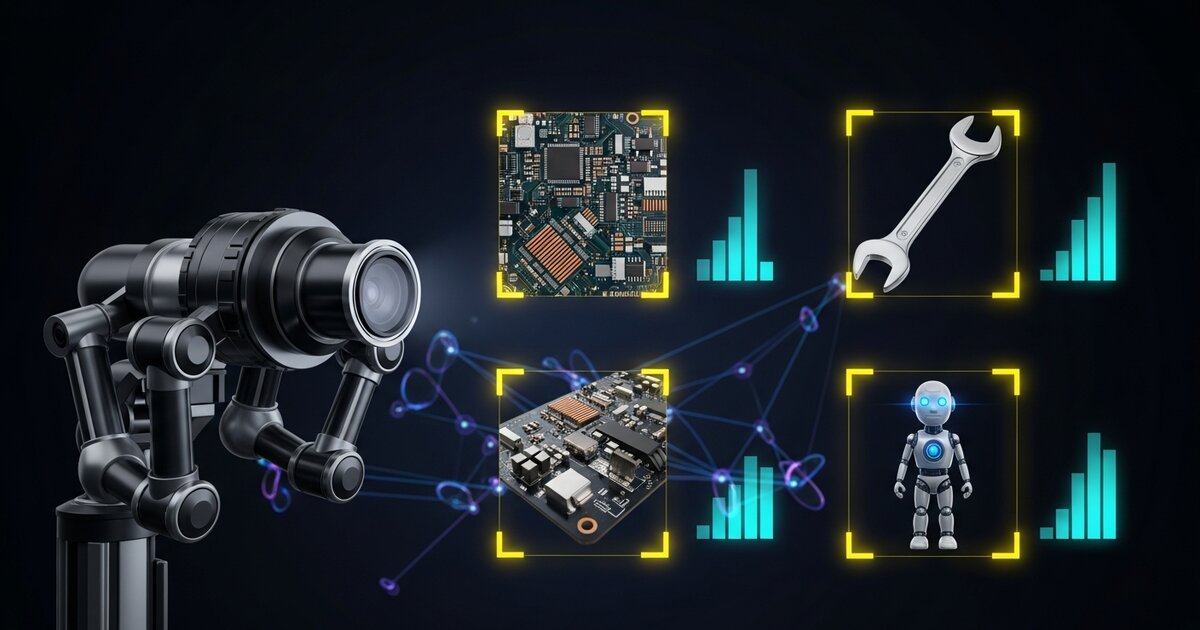
Before a robot can decide what to do, it must understand its surroundings. Computer vision utilizes Convolutional Neural Networks (CNNs) to process image data from AI cameras. This allows the robot to identify objects, segment navigable terrain, and recognize humans.
2. Localization and Mapping
A robot must know where it is within its environment. Simultaneous Localization and Mapping (SLAM) uses sensor data (from LiDAR or cameras) to build a map of an unknown space while simultaneously keeping track of the robot's location within that map.
3. Path Planning
Once a robot has a map and a destination, it must find an optimal path while avoiding dynamic obstacles. Reinforcement learning is increasingly being used to teach robots how to navigate complex, crowded spaces smoothly.
Hardware Considerations
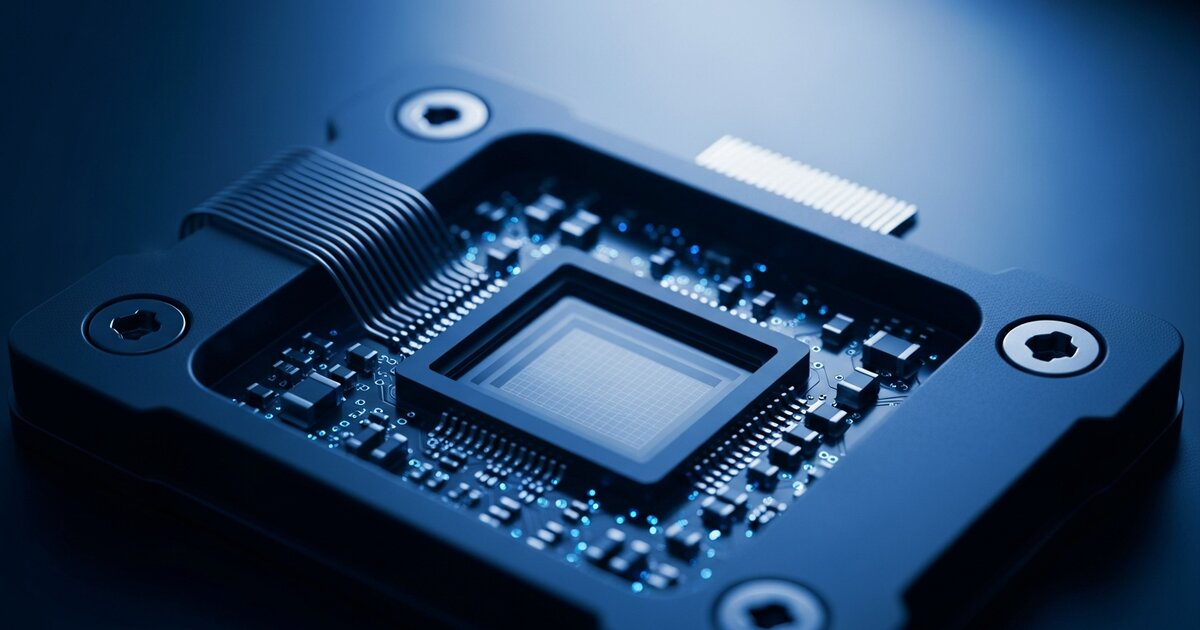
Running deep neural networks requires significant computational power. Standard microcontrollers are insufficient; you need dedicated AI accelerators like the NVIDIA Jetson series or specialized Vision Processing Units (VPUs) to perform inference at acceptable frame rates.