Topic hub
Embedded Hardware & Actuation
Microcontrollers, motor control, batteries, power distribution, and reliable robot wiring.
How to Calibrate Wheel Encoders and Differential-Drive Odometry
Turn encoder counts into useful robot odometry, then use measured straight runs and turns to correct wheel radius and track width.
How to Choose a Bench Power Supply for Robotics
Find a bench supply that fits your robot’s voltage, startup current and test setup. Compare three documented options and understand where current limiting and backfeed protection matter.
Robot Power Distribution: Fuses, Wire Sizing and Battery Protection for Mobile Robots
Plan a mobile robot's battery harness from real loads, startup pulses and voltage drop—not a universal fuse size or wire-gauge chart.
Why the Best Robots May Not Look Human
Compare wheels, fixed arms, four legs and human-like forms by the work they need to do rather than how familiar they look.
3.3 V vs 5 V Logic: How to Check Robot Wiring Before You Plug It In
Read pin labels, check which voltage each signal uses, and plan a safe connection before mixing robot boards and modules.
How to Match a DC Gearmotor to a Motor Driver for a Small Robot
Use voltage, startup current, channel count and logic levels to check whether a brushed gearmotor and driver belong together.
A Beginner’s Robot Build Checklist: Parts, Tools and Safe First Tests
Take a first two-wheel robot from parts list to bench checks and a slow floor test, with clear stop conditions.
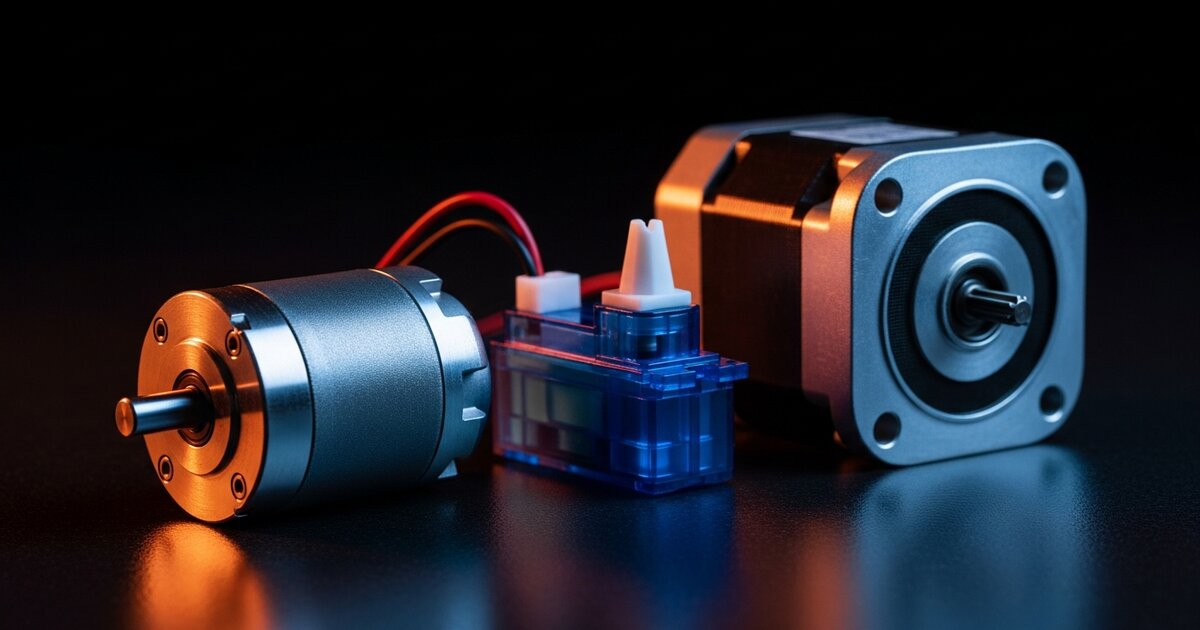
FOC vs Trapezoidal Commutation: Low-Speed Torque Control for Brushless Gimbal Actuators
Compare FOC and trapezoidal motor control for robotic joints. Learn torque ripple, AS5600 I2C feedback, STM32 setup, and safe SimpleFOC voltage-mode limits.
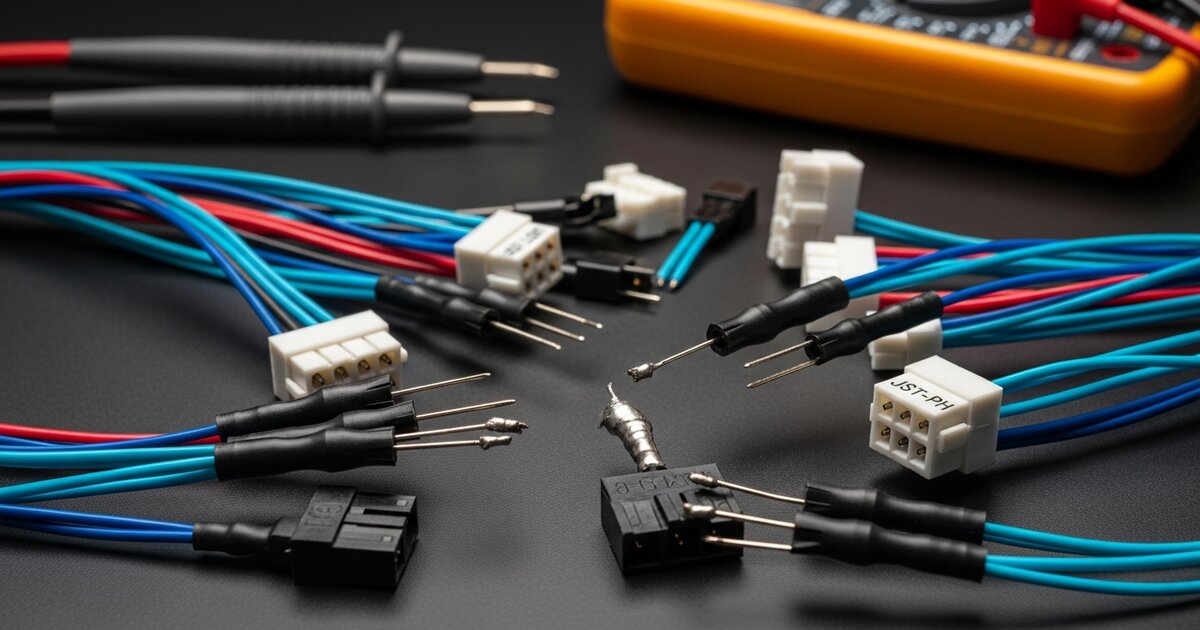
Designing Robot Power Distribution Boards: Reverse Polarity, TVS Diodes, and Buck Regulation
Design safer robot power distribution with reverse-polarity protection, TVS selection, separate logic rails, fusing, and KiCad layout checks for motor loads.
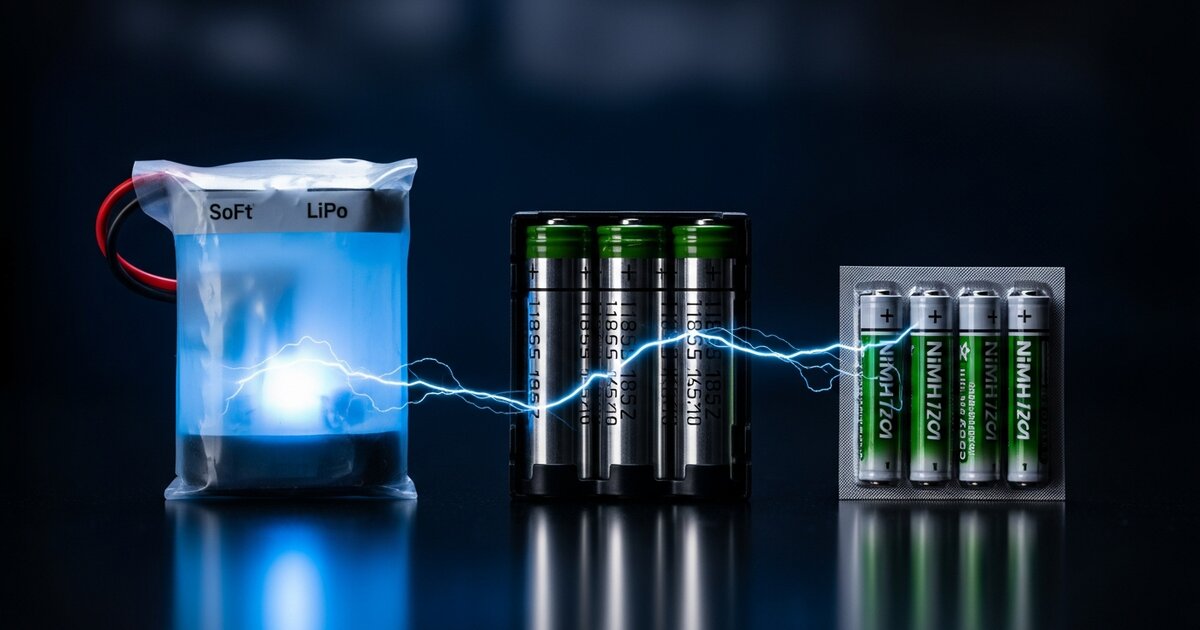
LiFePO4 vs Li-ion vs LTO: Selecting Battery Chemistries for Autonomous Mobile Robots (AMRs)
Compare LFP, NMC Li-ion, and LTO batteries for mobile robots. Evaluate energy density, charging limits, duty cycle, pack protection, and BMS telemetry.
CAN Bus and CAN-FD for Modular Robotic Joints: Transceivers, Termination, and Packet Framing
Build a reliable robot joint bus with Classical CAN or CAN-FD. Learn compatible controllers, transceivers, 120-ohm termination, framing, and SocketCAN checks.
Robot Wiring and Connectors 101: JST, Dupont, and Soldered Joints Explained
A practical guide to the connector types used in hobby robotics — Dupont jumpers, JST connectors, soldered joints, and screw terminals — and when to use each.

Best Soldering Stations and Tools for Robotics Electronics in 2026
A guide to soldering stations, accessories, and consumables worth buying for robotics electronics work — from budget irons to hot air rework stations.
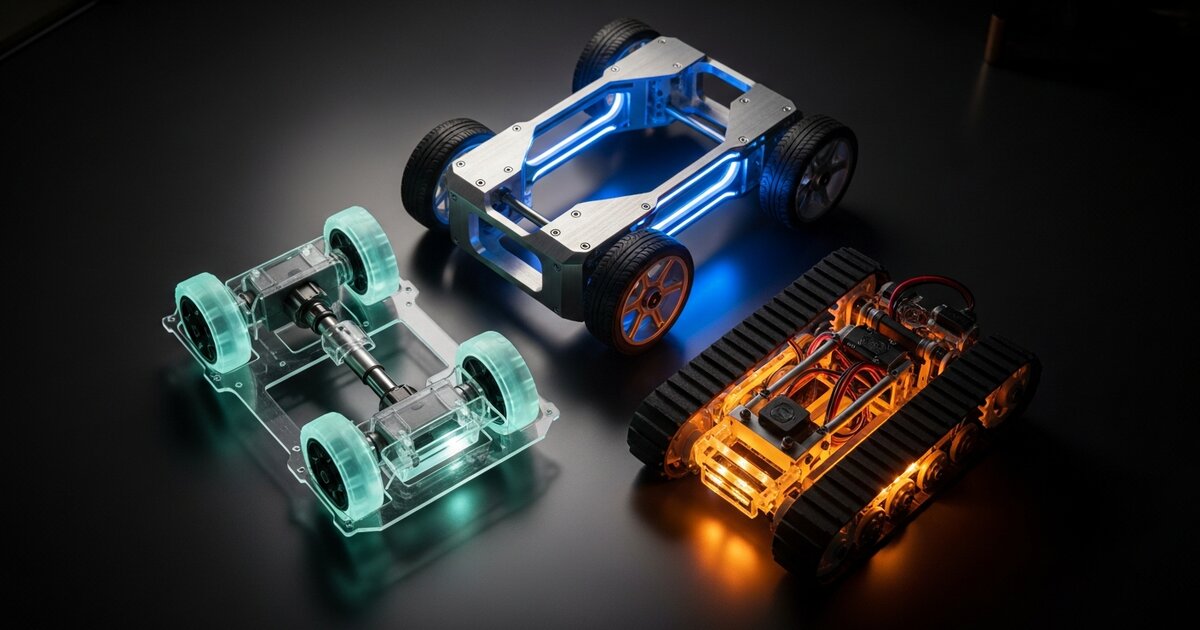
How to Choose a Robot Chassis: Material, Drive Type, and Size Guide
A practical guide to choosing a robot chassis — comparing acrylic, aluminum, and 3D-printed options, drive configurations, and sizing considerations.
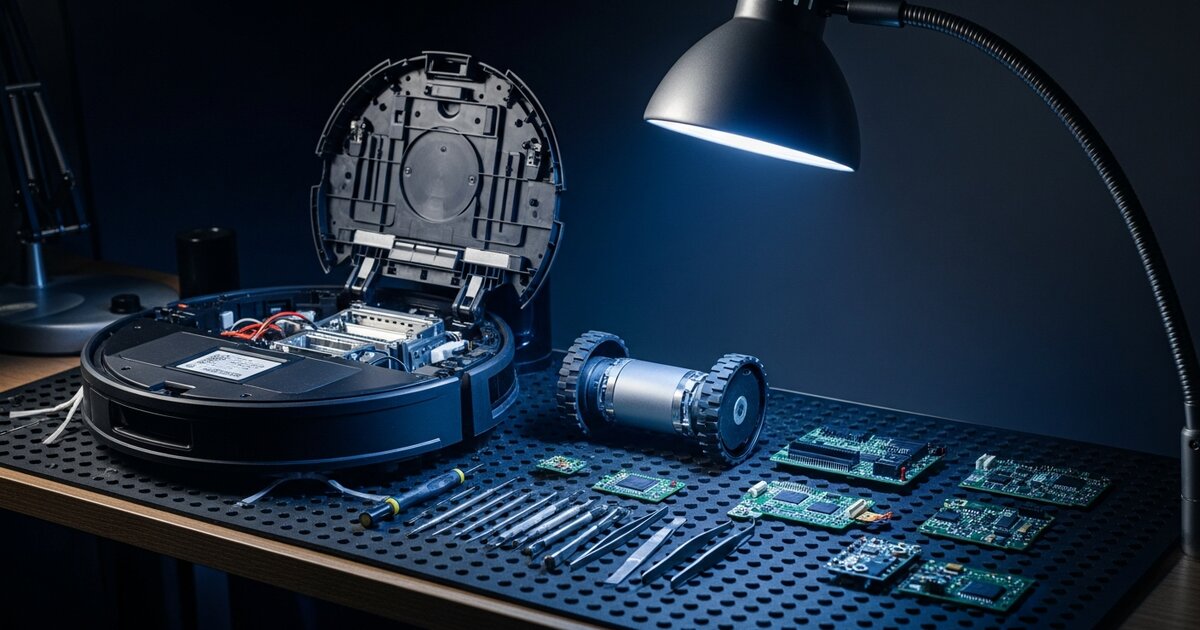
Robot Vacuum Teardowns: Salvaging Parts for DIY Robotics Projects
What to salvage from a broken robot vacuum — motors with encoders, sensors, batteries, and wheels — and how to test each part before reusing it.
Servo vs Stepper vs DC Motors: The Complete Guide for Robot Builders
A complete comparison of DC motors, servo motors, and stepper motors — how each works, where each fits, and how to choose for your robot project.
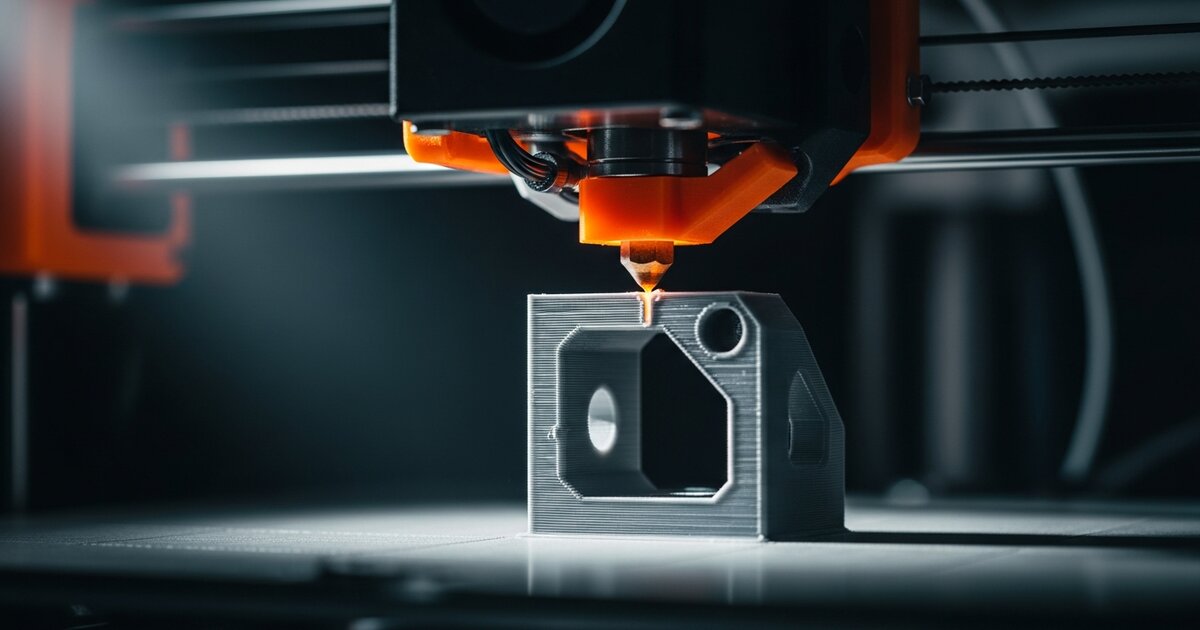
Best 3D Printers for Robotics Hobbyists in 2026
A buying guide for 3D printers aimed at robotics hobbyists, covering FDM vs resin, material options, and which features matter most for structural parts.
Robot Batteries Explained: LiPo vs Li-ion vs NiMH (2026 Buying Guide)
A practical guide to the three main battery chemistries in hobby robotics — LiPo, Li-ion, and NiMH — including how to size a pack and avoid common mistakes.
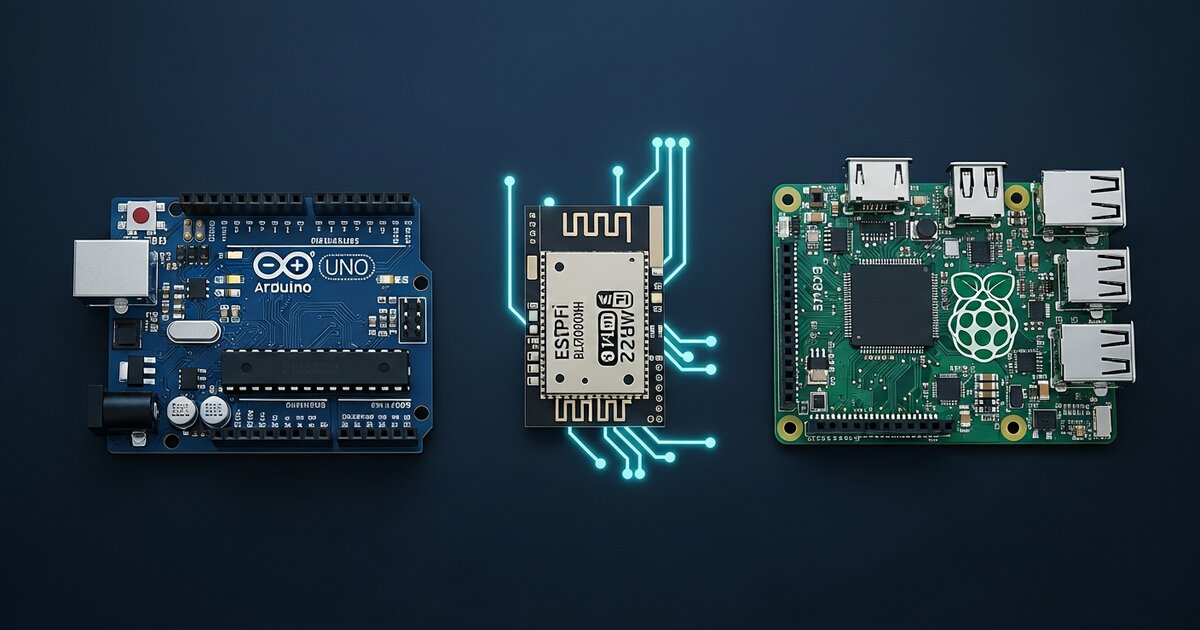
ESP32 vs Arduino vs Raspberry Pi for Robotics: Which Should You Buy?
A practical comparison of Arduino, ESP32, and Raspberry Pi — and how to pick the right brain for your robot build.
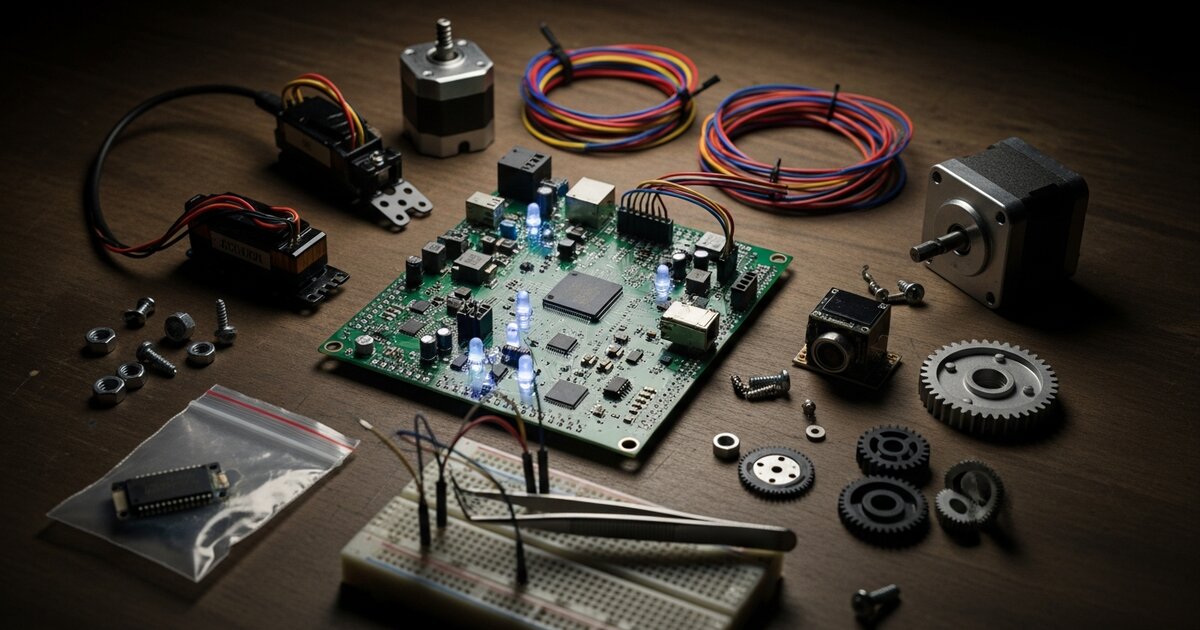
Best Robotics Starter Kits 2026
A roundup of the top 5 robotics starter kits for beginners, focusing on educational value and hardware quality.
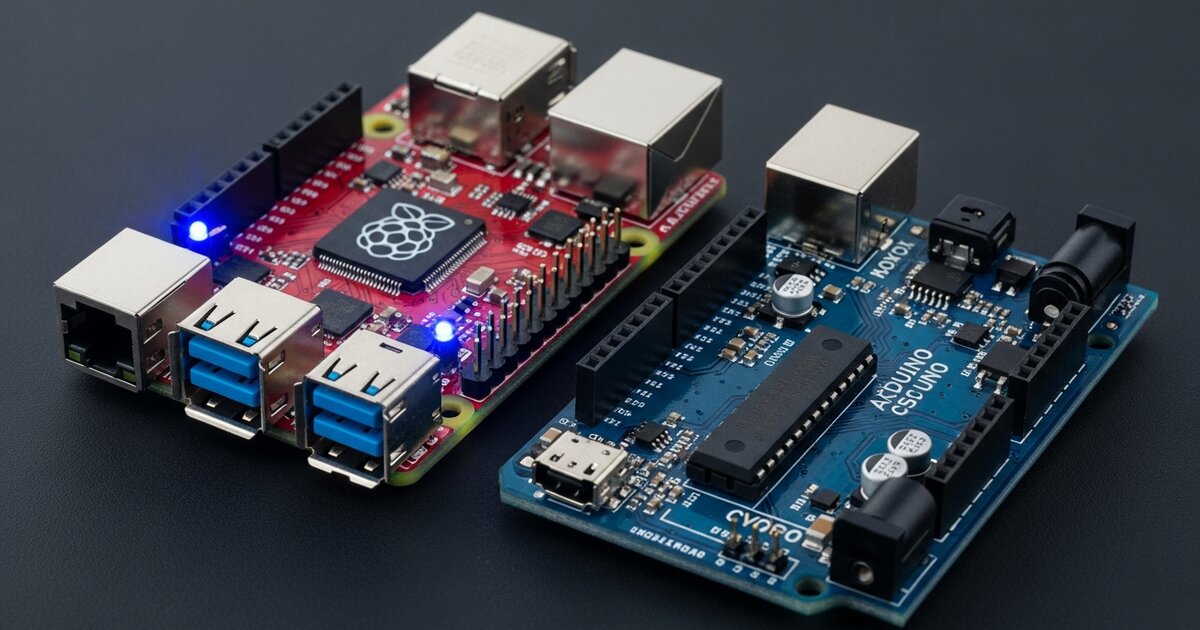
Best Microcontrollers for Robotics in 2026
Comparing Arduino Uno, Raspberry Pi, ESP32, and STM32 for different robotics applications.
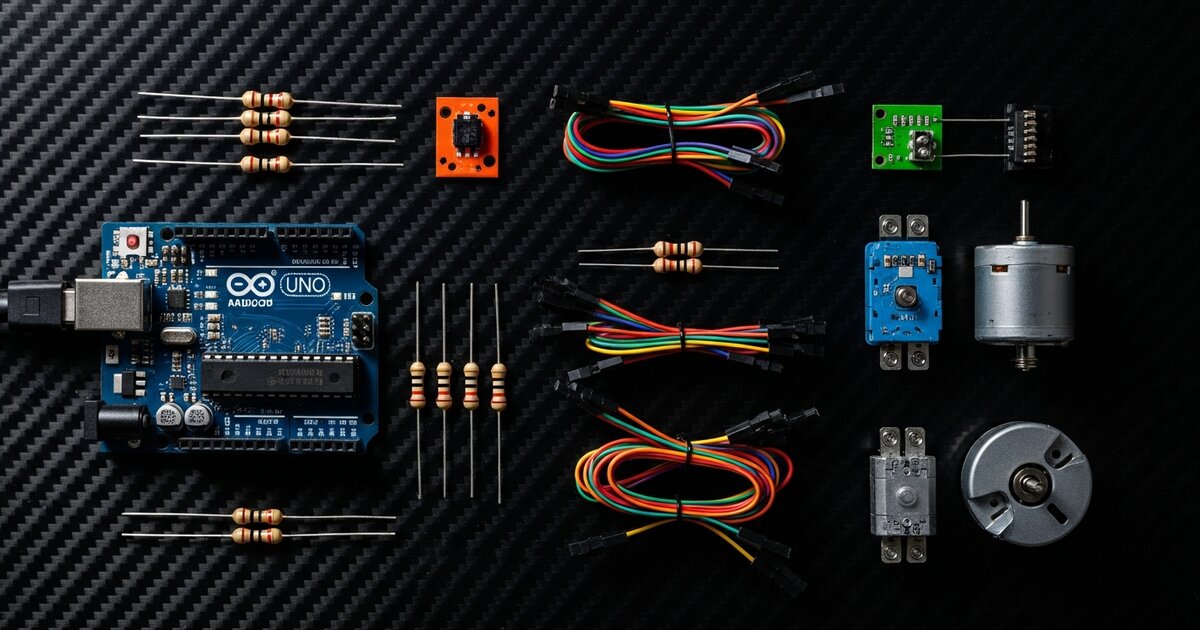
Robotics 101: A Complete Beginner's Guide (2026)
A comprehensive introduction to robotics, covering sensing, actuation, computation, power, and getting started.