Why the Best Robots May Not Look Human

ContentsDocumented examples: Four different job shapes
Before asking what a robot should look like, ask what has to move. Maybe it is a bin on a level floor, a gripper over a fixture, or a camera up a staircase. Those are three separate design problems. A human-like body can be useful when a site or tool already expects human proportions, but it is not the default answer.
Documented examples: Four different job shapes
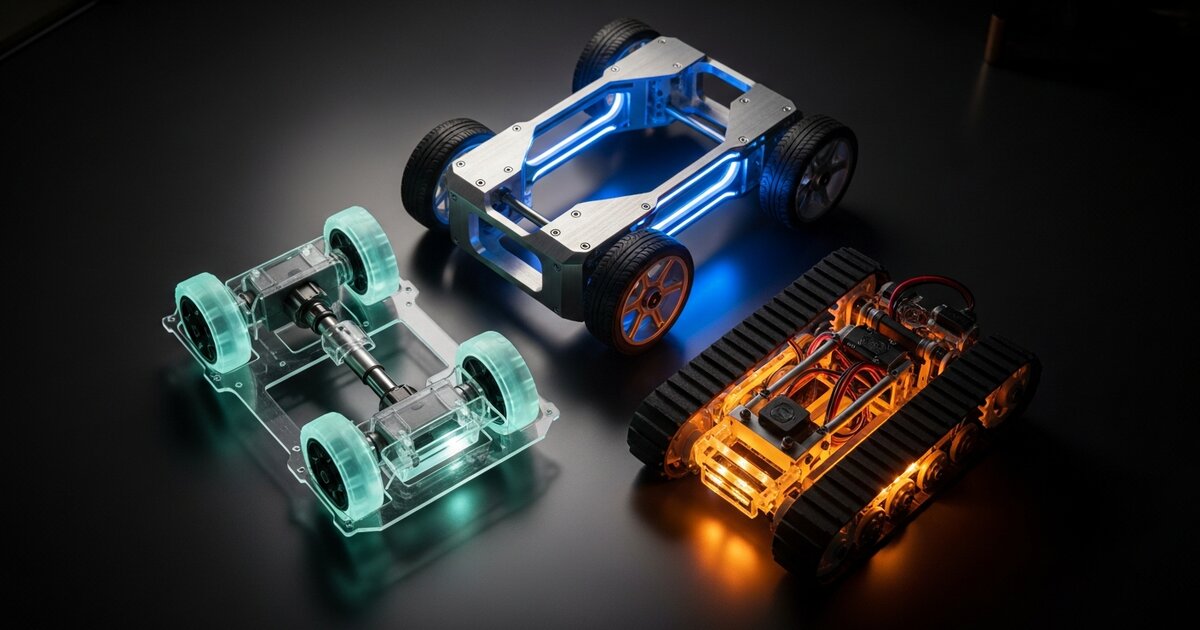
- Wheels for transport: Amazon’s Sequoia description separates mobile transport from inventory handling. Mobile robots bring totes to a gantry; the rest of the system routes or handles the inventory. The carriers don't need arms to perform their part.
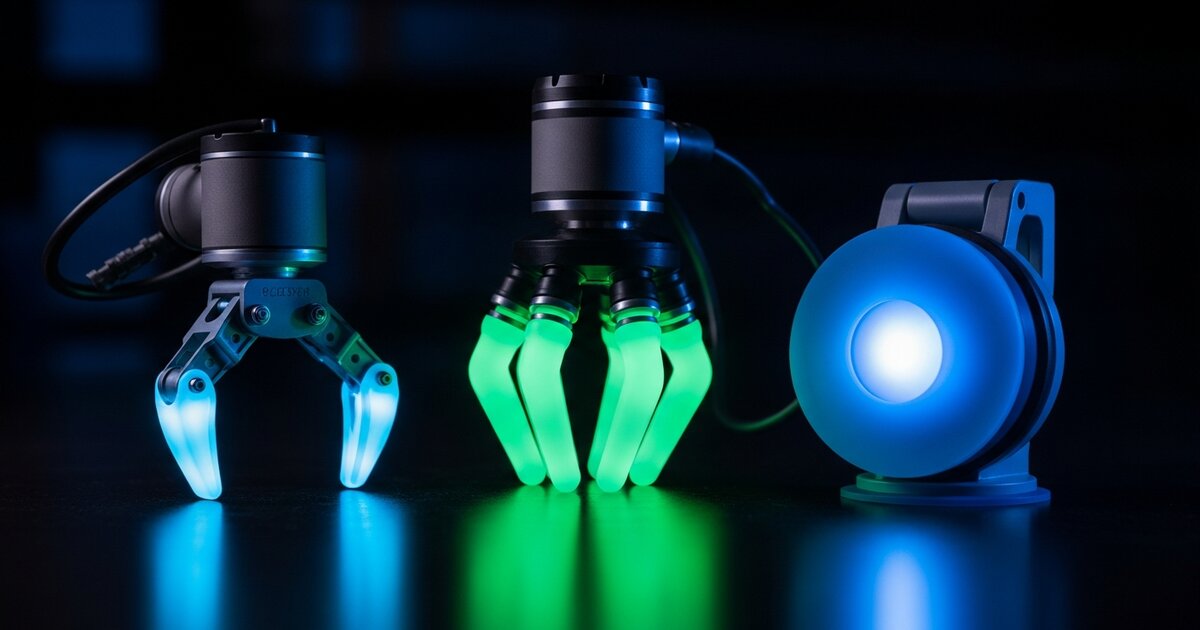
- Fixed arms for work within reach: FANUC’s coffee-grinder assembly example shows arms as part of a line arranged around the operation. Parts come to the robot, so it doesn't have to get to the parts.
- Four legs for an inspection route: Boston Dynamics’ Chitose inspection case shows a quadruped carrying sensors on defined patrols in a plant that includes stairs. It is a route and sensing example, not a universal comparison with wheeled platforms.
- Human-scale handling, with or without legs: BMW’s Leipzig AEON pilot describes a robot with a human-like upper body that moves on wheels. A system can borrow human reach and still choose a different way to move.
Analysis: Choose the base and tool separately
If the task is moving a payload between two level stations, start by asking whether the route can suit a wheeled base. If every part arrives in one predictable place, start with the fixture and the working envelope of a fixed arm. If an inspection route has unavoidable stairs, consider whether legs are needed or whether changing the route or adding fixed sensors would solve the job. These are questions to test at the site, not assumptions about cost or speed.
Consider a human-like shape where the robot must reach around existing equipment at human height or use an interface made for a person, and changing the site might be impractical. Then check the actual job: can the robot reach with the load, recover from an awkward approach, and move safely where people are nearby? Familiar appearance by itself doesn't answer any of those questions.
What would count as a fair comparison?
Give each candidate the same work, routes and handoffs. Include setup, a blocked route, a failed grasp and the time a person spends recovering the system. Compare how much you would need to change the workspace, not just how each machine looks when it succeeds. For the smaller-scale version of this trade-off, see our robot chassis selection guide and gripper design comparison.