Best Jetson Boards for Edge AI Robotics in 2026

ContentsWhy Jetson Instead of Raspberry Pi?
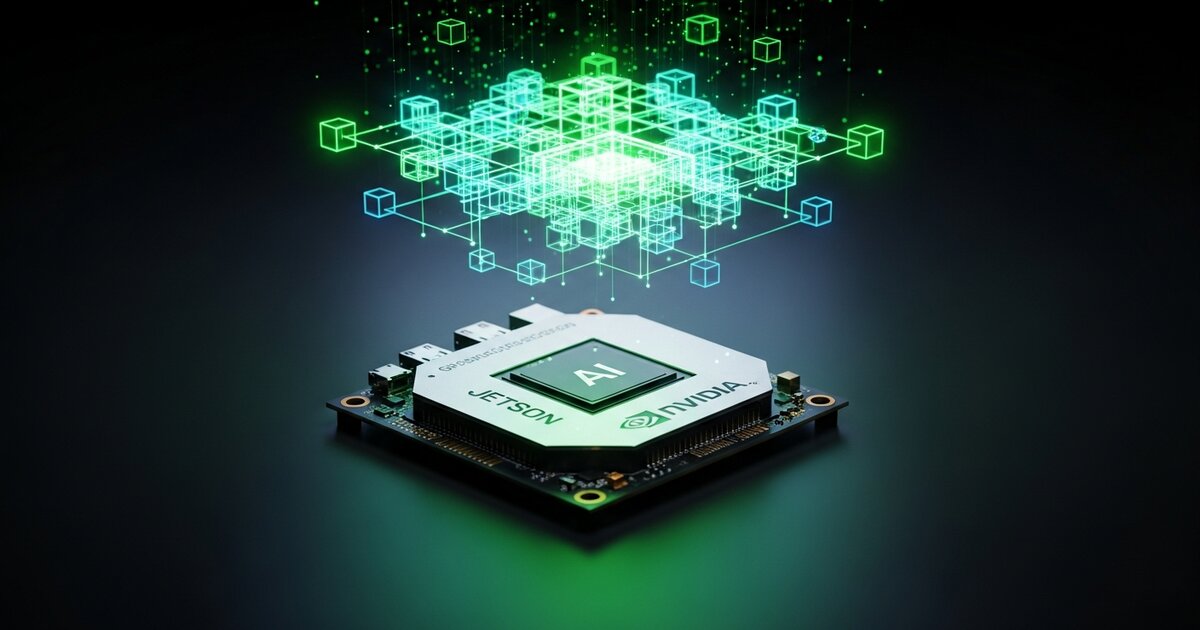
When a robotics project moves from "follow a line" to "recognize objects," "understand spoken commands," or "navigate using a learned model," you eventually hit a hard limit: microcontrollers and even a Raspberry Pi's CPU aren't built for running neural networks in real time. This is where NVIDIA's Jetson line comes in — small, power-efficient boards built specifically for running AI models at the edge, on the robot itself, without relying on the cloud.
Why Jetson Instead of Raspberry Pi?
A Raspberry Pi can technically run small neural networks, but slowly — often 1–2 frames per second for object detection, versus 20–30+ on a Jetson. Jetson boards include a dedicated GPU with CUDA cores designed for the parallel computation neural networks require. The trade-off is cost and a steeper learning curve through NVIDIA's JetPack SDK (a customized Linux distribution).
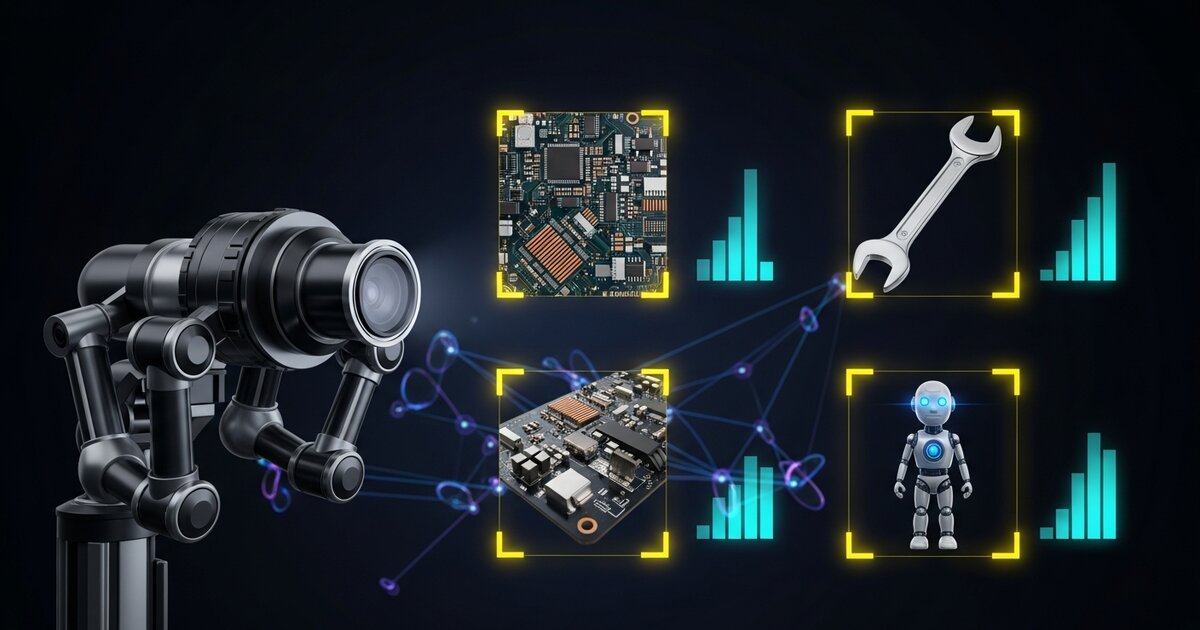
A Jetson is worth the investment when your project involves real-time object detection or classification from a camera, running models you've trained yourself (see our custom object detection training guide), combining vision with navigation simultaneously, or any project where response time genuinely matters.
Entry-Level: Jetson Orin Nano
The Orin Nano is the most accessible entry point into the Jetson family, aimed at hobbyists and students. It offers a meaningful step up from Raspberry Pi-class CPUs for AI workloads while remaining power-efficient enough to run on battery power for mobile robots.
Best for: first-time Jetson users, single-camera object detection, lightweight SLAM + vision combinations.
Mid-Range: Jetson Orin NX
The Orin NX sits between the Nano and the higher-end AGX boards, offering significantly more compute for running larger models or multiple models simultaneously — for example, object detection and depth estimation running at once. It's a popular choice for more serious hobbyist and small commercial robots.
Best for: multi-camera setups, running larger detection models, robots that need both vision and navigation running smoothly at once.
High-End: Jetson AGX Orin
The AGX Orin is the top of the current consumer/prosumer lineup, with substantially more GPU compute, memory, and I/O. This is overkill for most hobby projects but makes sense for robots running multiple high-resolution cameras, complex multi-model pipelines, or processing LiDAR point clouds alongside vision in real time.
Best for: advanced builds, research projects, robots running multiple simultaneous AI workloads.
Software Considerations
All Jetson boards run JetPack, NVIDIA's Linux-based SDK that includes CUDA, cuDNN, and TensorRT (for optimizing trained models to run faster on the hardware). Most popular AI frameworks have Jetson-compatible builds, though versions can lag behind desktop releases — check framework compatibility before committing to a specific JetPack version.
ROS 2 also runs on Jetson boards, making them a natural fit for robots that combine autonomous navigation with onboard AI vision.
Which Should You Buy?
First time with onboard AI and a hobby budget: Jetson Orin Nano. Multiple cameras, or running vision + navigation together: Jetson Orin NX. Research-grade project or multiple AI models: AGX Orin. For the vast majority of hobbyist projects — including everything covered in our build guides — the Orin Nano is more than capable, and is the board to start with before stepping up if you find yourself hitting performance limits.