Why Robots Are Getting “Brains” Before They Get Better Hands
ContentsConfirmed announcement: What DeepMind built
Imagine asking a robot to bring you the mug beside the kettle. It has to know which object you mean, plan a route and decide when to try a grasp. It also has to close a real gripper around a real mug without knocking it over. Those are different jobs. Progress in the first can make a demo look much more intelligent without making the second any easier.
Confirmed announcement: What DeepMind built
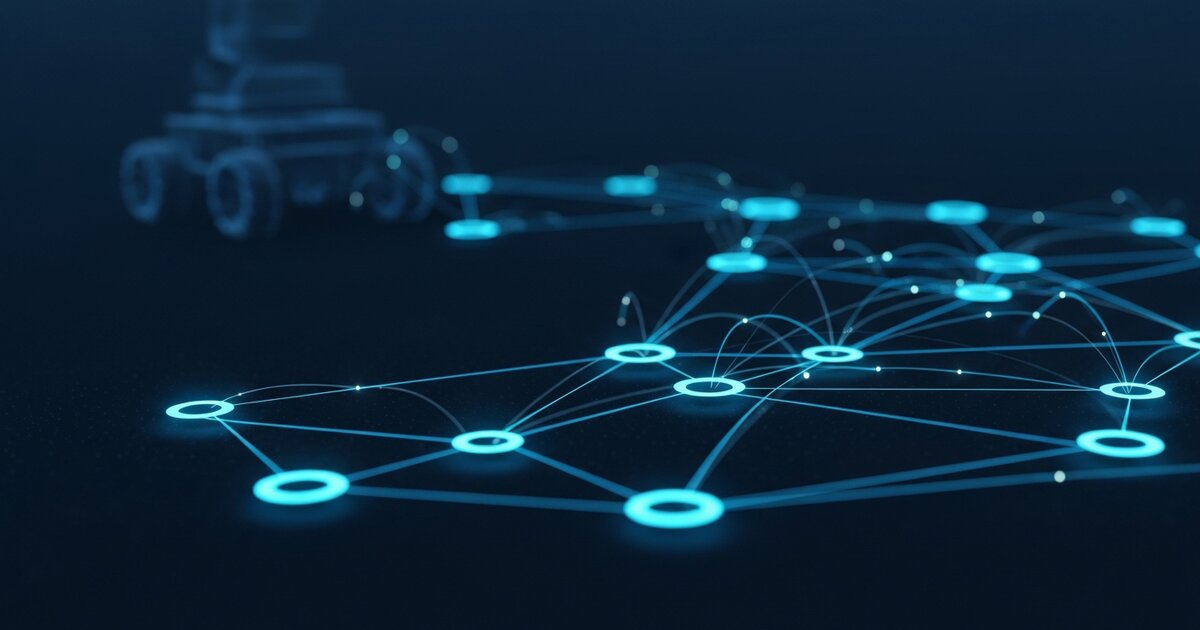
In July 2026, Google DeepMind introduced Gemini Robotics ER 2 as a high-level model for reasoning about what a robot sees, planning several steps and coordinating tools. Google describes an object-fetching demonstration on Boston Dynamics’ Spot in which the model calls existing navigation and manipulation interfaces. The model decides when to call those interfaces; the underlying systems carry out the movement. That is the division of labour in the demonstration, not proof that Spot can fetch any object in any room.
Analysis: A plan and a grip fail in different ways
High-level reasoning is about choosing the next action. It might identify the mug as the target, decide the approach is blocked or recognise that the gripper closed on empty space. Motion control is about executing the choice: where to put each joint, how quickly to move and what to do when a sensor indicates unexpected contact. On some systems learned policies help generate actions; the robot still needs dependable control of its actual hardware.
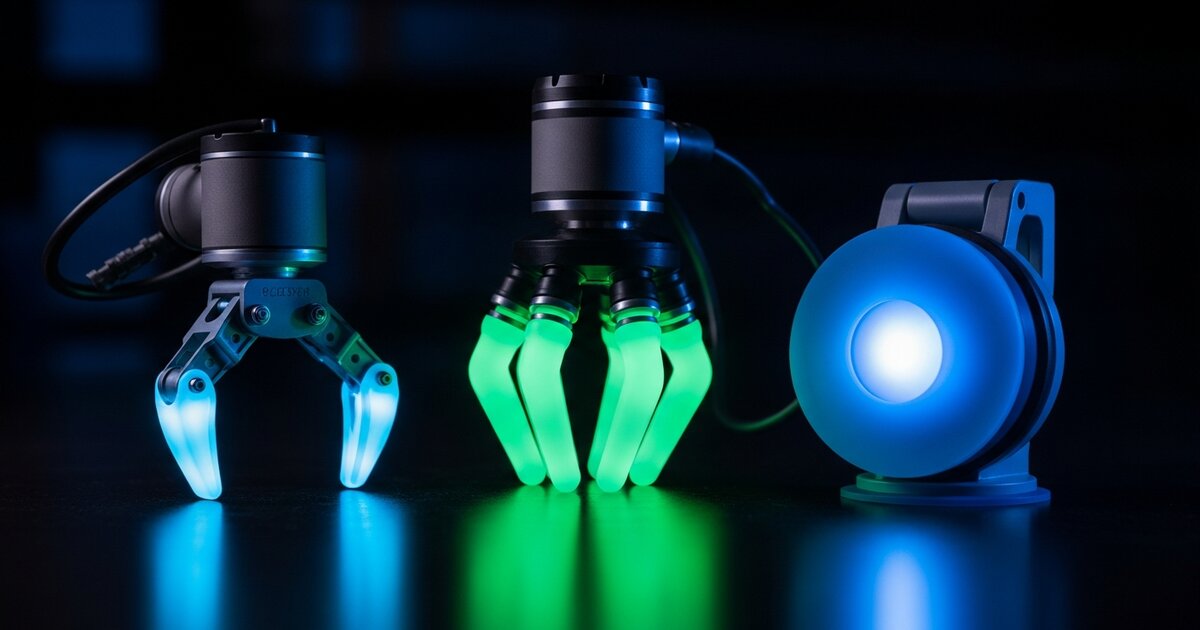
Picture two mugs that look similar on camera. One is light and dry; the other is full and wet. Recognising the second mug does not tell a gripper how much it will slip. Finger shape, material, feedback and force limits all matter. Our robot gripper design comparison shows why builders choose different gripping mechanisms for different objects.
Why reasoning can improve without redesigning the robot
The useful idea in Google’s example is that the planning layer can call actions the robot already knows how to perform. An improved planner may use those actions in a better order or ask for another view. It cannot give a short arm more reach or make an unsuitable gripper hold a slippery object. Conversely, a better gripper does not tell a robot which mug its operator intended.
Splitting the responsibilities also gives teams separate questions to test. Did the planner choose the right action? Did the robot execute it safely? Could it detect a failed grasp and recover or stop? The answers might be different even on the same attempt.
What to look for in the next demo
- Scope: Which objects, workspaces and motions were supported? Which actions were already programmed?
- Exceptions: What did the robot do when the view was blocked or the object moved? When did a person step in?
- Repeatability: Were there repeated attempts with changes to the scene, or only a successful example?
A clearer plan and a more capable hand are both worth having. Judge them separately before crediting the whole system with general autonomy.