Robotics 101: A Complete Beginner's Guide (2026)

ContentsThe Four Pillars of Robotics
Robotics is the intersection of mechanical engineering, electrical engineering, and computer science. When you build a robot, you are creating a machine that can sense its environment, compute a decision, and act upon it. This guide covers the fundamental subsystems that every robotics project relies on.
The Four Pillars of Robotics
Every autonomous system, from a simple line-follower to an industrial robotic arm, consists of four primary subsystems:
- Sensing: The robot's connection to the physical world. This includes basic components like ultrasonic sensors and advanced hardware like LiDAR.
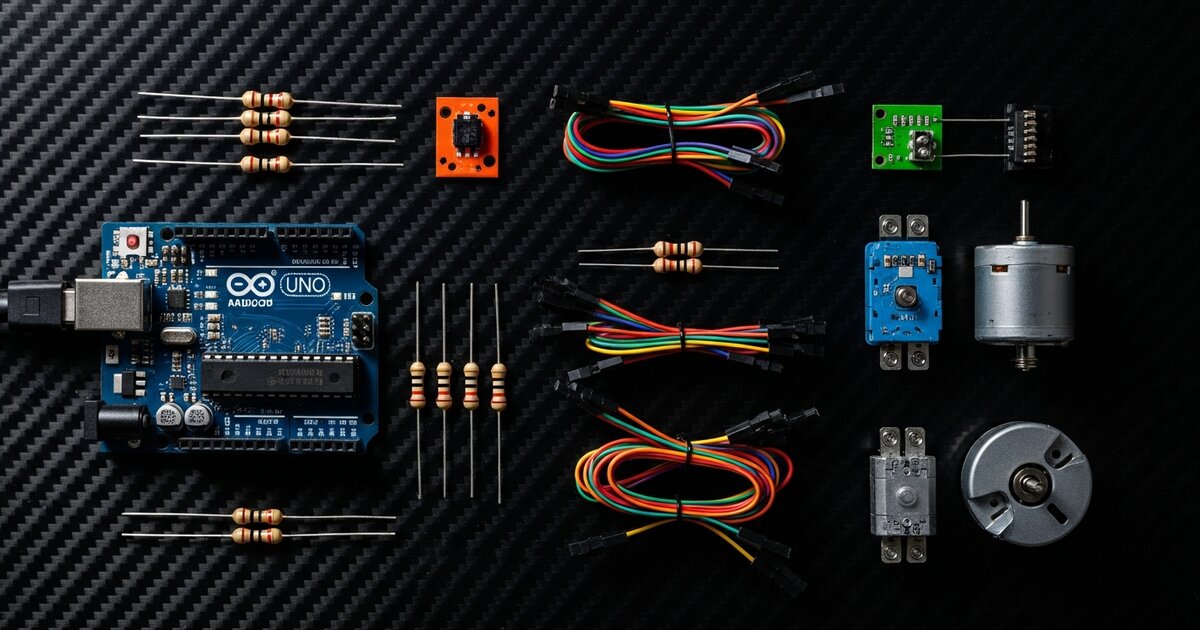
- Computation: The brain. For beginners, this is usually an Arduino or ESP32. For advanced tasks like computer vision, a Raspberry Pi or Jetson Nano is required.
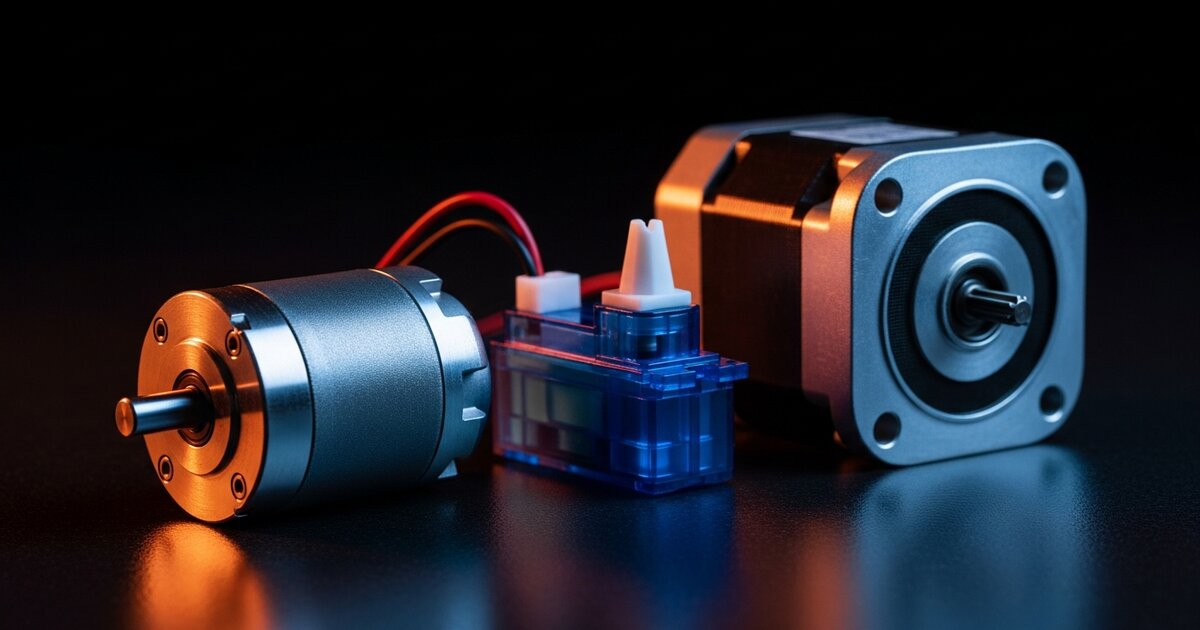
- Actuation: How the robot moves. DC motors, stepper motors, and servos convert electrical energy into mechanical motion.
- Power: Batteries and regulation. Lithium-Polymer (LiPo) batteries are standard, requiring careful voltage regulation for different components.
Choosing Your First Platform
The biggest mistake beginners make is starting with a project that is too complex. If you want to understand the fundamentals of motor control and simple logic, start with an Arduino-based line-following robot. If you want to jump straight into AI and computer vision, you will need a more powerful single-board computer like a Raspberry Pi 5.
Read our full breakdown of the best microcontrollers for robotics to decide which brain is right for your project.